By 2030, Only 15 EV Brands in China Likely to Survive, AlixPartners Warns



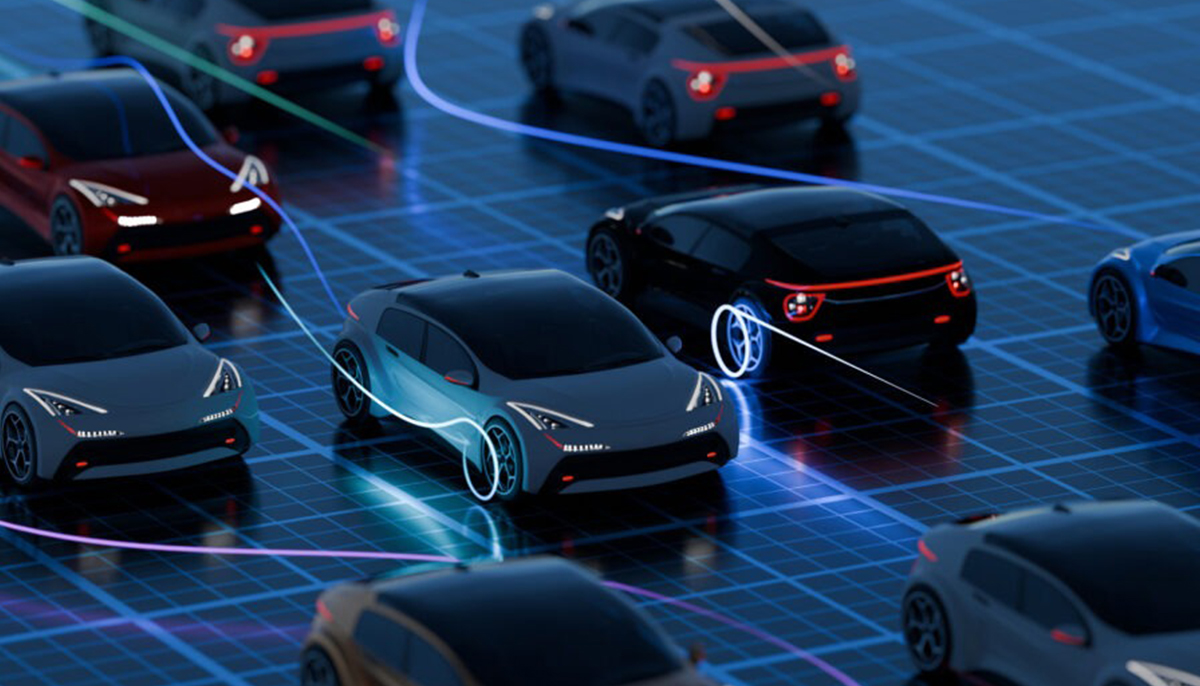
According to the 2025 AlixPartners Global Automotive Outlook, only 15 of the 129 electric vehicle (EV) and plug-in hybrid brands currently operating in China are expected to remain financially sustainable by the end of the decade. Fierce market competition is anticipated to drive significant consolidation, pushing many companies out of the industry.
These surviving brands are projected to dominate approximately 75% of China’s EV and plug-in hybrid market by 2030, each selling an estimated 1.02 million units annually. The report, however, does not disclose which brands are expected to remain.

Now in its 22nd edition, the report presents a stark assessment of the global auto industry—an industry grappling with sluggish growth, persistently high operating costs, unproductive EV investments in Western markets, and increasing technological and cost efficiency from China’s new energy vehicle (NEV) manufacturers.
AlixPartners recommends that global automakers and suppliers take cues from the Chinese market's successful players to guide transformation efforts in their own regions.

The Chinese automotive market is undergoing a major shift. Price wars are evolving, with companies moving from aggressive discounting to subtler value-based incentives like insurance subsidies and zero-interest financing. This change is expected to drive international expansion among stronger Chinese automakers.
Meanwhile, Chinese brands are set to double their market share in Europe to 10% by 2030, increasing local production by 800,000 units annually. In contrast, European manufacturers may cut 400,000 units of capacity, prompting over $18 billion in asset sales. In the U.S., upcoming tariffs totaling $30 billion by 2026 are pushing companies to reconsider China-based supply chains.
To adapt, automakers should focus on two key strategies. First, leverage advanced mobility technologies such as ADAS, where China leads. The global ADAS market is forecast to hit $50 billion by 2030, with China holding a 45% share. Second, embrace AI-driven innovation to cut development time and costs by up to 20%, ushering in a new era of automation and efficiency in the industry.
In summary, the future of the automotive sector—especially in the electric and hybrid space—will hinge on the ability to adapt to new technological standards, leverage artificial intelligence, and respond strategically to global economic pressures. The Chinese market, with its rapid innovation and competitive evolution, may well serve as the blueprint for global transformation.



Hyundai Bayon Launched in India; Nepal Launch Expected in Q1 2027
Second-Gen BYD Atto 1 Pre-Orders Open in China